
Why Your Heat Pump Is Freezing Up: Causes, Solutions, and Prevention
Living on The Island means we get to experience four distinct seasons, from humid, sunny summers to freezing, snowy winters. To keep homes comfortable through these extreme seasonal fluctuations, many homeowners are turning to heat pumps. If you are wondering about the difference between a heat pump and a traditional furnace and air conditioning setup, the answer is relatively simple: instead of burning fuel to generate heat, a heat pump moves heat from one place to another. During the summer, it pulls heat out of your home, and during the winter, it absorbs ambient heat from the outside air and moves it indoors.
Because of their incredible energy efficiency, heat pumps are surging in popularity as part of the broader shift toward building electrification. However, this impressive technology can sometimes encounter issues when the temperatures drop. If you have ever walked outside on a frigid morning only to discover your outdoor unit looks like a solid block of ice, you have probably asked yourself: why is my heat pump freezing up?
While a thin layer of frost is entirely normal during colder months, a system that is completely encased in ice is a sign of a serious problem. A frozen heat pump cannot operate efficiently, meaning your home will stay cold, your energy bills will skyrocket, and the equipment itself could suffer permanent damage if forced to run. Understanding why this happens and when to rely on professional heat pump system maintenance can save you from a massive headache during the middle of a brutal winter cold snap.
Understanding the Defrost Cycle
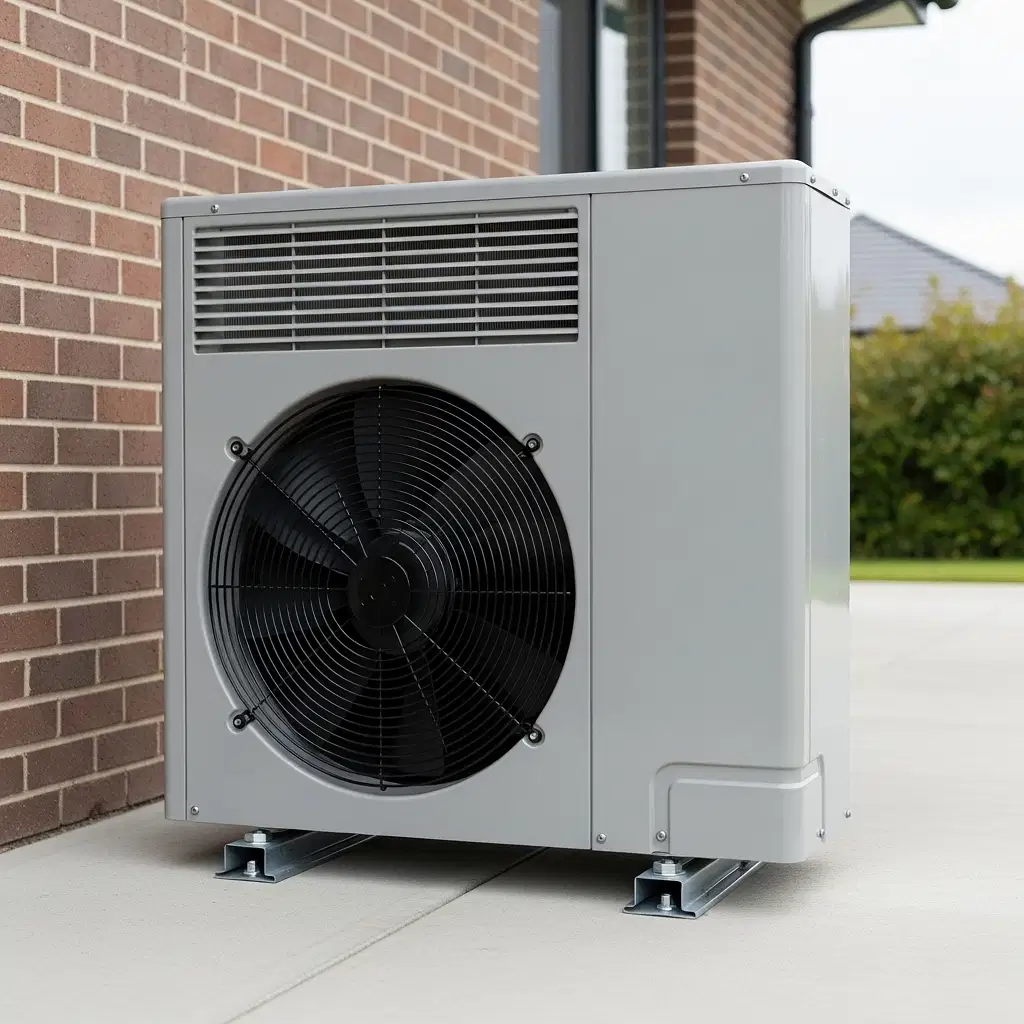
Before you panic about a little ice, it is important to understand how your system operates. When a heat pump is running in heating mode, the outdoor coils get very cold—often colder than the outside air. Because the winter air still contains moisture, condensation forms on these cold coils and quickly freezes into frost.
To prevent this frost from building up and restricting airflow, your system is equipped with an automatic defrost cycle. When the sensors detect a certain temperature or a specific amount of time has passed, the unit temporarily reverses its operation. It essentially switches back into air conditioning mode for just a few minutes, sending warm refrigerant to the outdoor coils to melt the frost. Meanwhile, the backup heat kicks on inside your home so you don't feel a sudden blast of cold air. Once the ice is melted, the system resumes heating your home.
So, if you notice your heat pump iced over in heating mode but the ice melts away within half an hour, your system is functioning perfectly. However, if the ice continues to accumulate until the entire unit is buried in a thick, solid layer of ice, the defrost cycle has failed. Troubleshooting heat pump defrost cycle problems often reveals issues with a faulty defrost control board, a bad relay, or broken sensors. These electrical components are highly sensitive, and when they malfunction, the unit will just keep building ice until it suffocates. If you notice the ice isn't melting, turn off the system and call a licensed professional immediately to prevent damage to the compressor.
Common Causes of a Frozen Heat Pump
Aside from a failing defrost board, several other culprits can cause a severe freeze-up. One of the most common—and entirely preventable—causes is poor airflow. A heat pump requires a constant, heavy flow of air across its coils to operate properly. If you are wondering how often you should replace your home's air filters, the general rule is every 30 to 90 days, depending on whether you have pets or suffer from allergies. A clogged, filthy air filter will starve the system of air, causing the coil temperature to drop rapidly and freeze. Similarly, if leaves, snowdrifts, or overgrown bushes are blocking the outdoor unit, the lack of ventilation will cause the same icy result.
Another frequent culprit is a low refrigerant charge. Refrigerant is the lifeblood of your HVAC system; it is what actually transfers the heat. If there is a leak in the line, the system cannot absorb enough heat to melt the frost during its regular cycles. It is worth noting that the HVAC industry is currently undergoing a massive regulatory shift. The EPA is phasing out older high-GWP refrigerants like R-410A in favor of eco-friendly alternatives like R-454B. If your system is leaking, it requires a certified technician to safely locate the leak, repair it, and recharge the system according to strict environmental compliance standards.
Finally, mechanical failures can also be to blame. If the outdoor fan motor dies, no air will be pulled across the coils, leading to instant freezing. Dealing with these mechanical issues quickly is essential. Trying to chisel the ice off yourself or pouring boiling water on the unit can cause catastrophic damage to the delicate fins and coils. Instead, you need prompt, professional heat pump system repair to safely thaw the unit and resolve the underlying mechanical or electrical failure.
Prevention and When to Call the Professionals
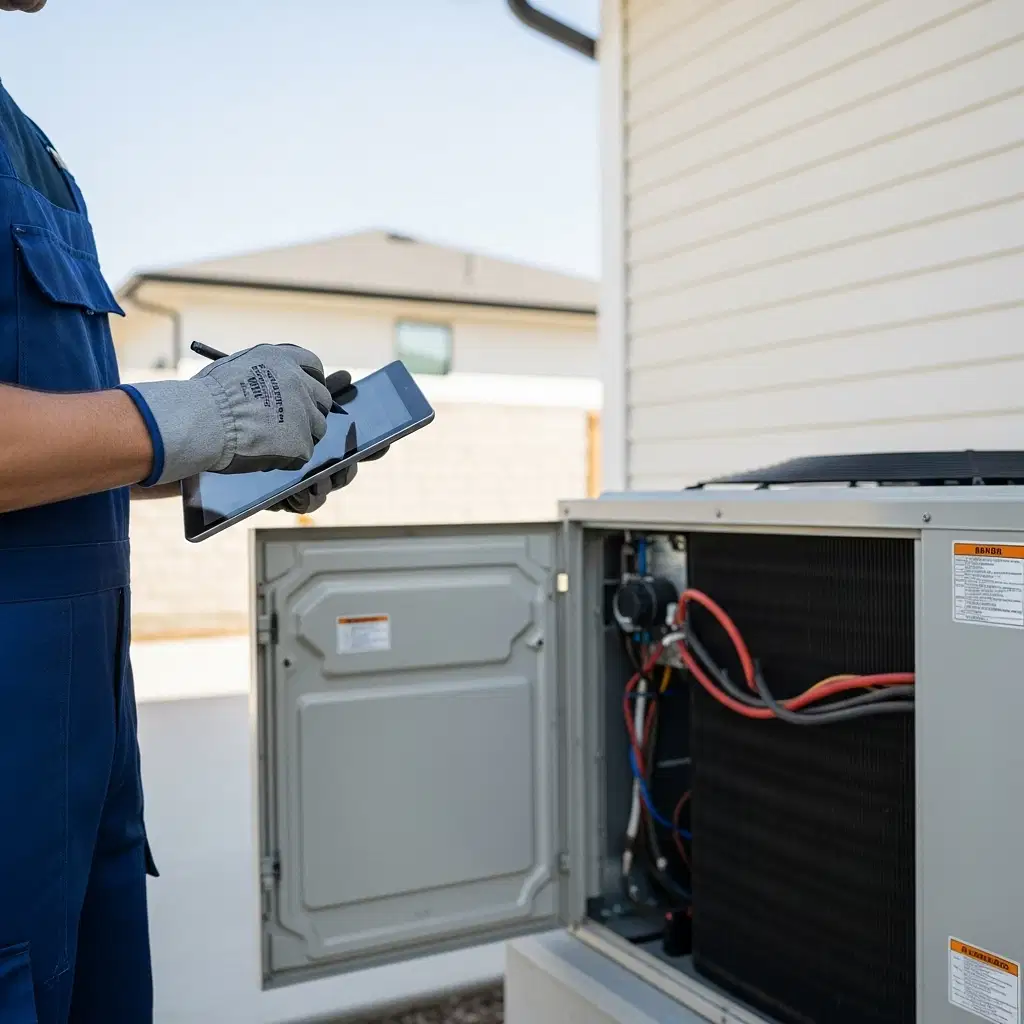
The absolute best way to lower your heating and cooling bills while preventing unexpected breakdowns is to stay on top of routine care. How often should your HVAC system be serviced or maintained? Industry experts strongly recommend scheduling preventative maintenance twice a year—once in the spring before the heavy summer cooling season, and once in the autumn before the winter freezing begins. During these visits, a technician can spot failing sensors, clear debris, and catch minor refrigerant leaks before they turn into a major emergency during a blizzard.
A typical heat pump system lasts about 10 to 15 years with proper care. If your system is constantly freezing, requires frequent expensive repairs, or struggles to keep your home warm, it might be time to consider an upgrade. Thankfully, upgrading to a high-efficiency system has never been more financially accessible. There are currently robust federal tax credits and rebates available through the Inflation Reduction Act for installing energy-efficient heat pumps, making the investment much easier on your wallet.
At Icon Aire Heating & Cooling, we understand how stressful it can be when your equipment fails, especially during the extreme temperatures we see across The Tri-State Area. We pride ourselves on transparent pricing, fast response times, and providing top-tier service using the latest smart diagnostic technology. If your heat pump is freezing up, don't wait for the problem to melt away on its own. Contact us today for expert diagnostics and guaranteed 24/7 emergency service to restore your home's comfort safely and efficiently.