
Why Your Furnace Keeps Shutting Off
There is nothing quite as frustrating as waking up on a chilly winter morning on The Island, expecting a warm home, only to realize the temperature has plummeted overnight. You hear the heater kick on, you feel a brief rush of warm air, and then, suddenly, it shuts right back down. If this is happening to you, you are experiencing a common heating issue known as short cycling.
Short cycling occurs when your heating unit turns on and off rapidly before it has had the chance to properly heat your home to the temperature set on the thermostat. Not only does this leave you shivering in your living room, but it also puts immense strain on your equipment, driving up your energy bills and significantly shortening the lifespan of your system.
Understanding why your furnace keeps turning off prematurely is the first step toward getting your home comfortable again. While some causes require the trained eye of a professional, there are a few simple troubleshooting steps you can take right now to identify the problem. Let's explore the most common furnace short cycling troubleshooting causes, figure out why your system is struggling, and discuss how to fix a short cycling furnace before the real cold sets in.
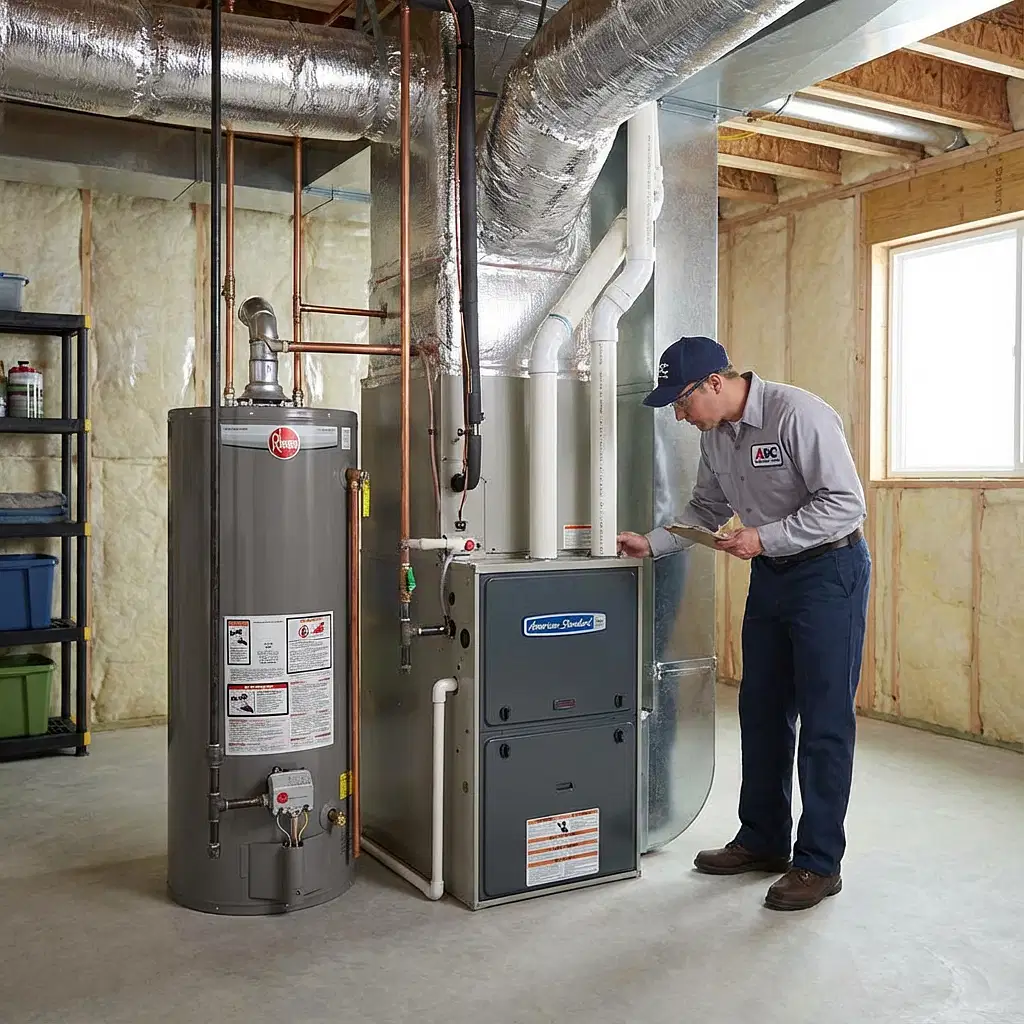
The Easy Fixes: Simple Causes of Short Cycling
Before you assume the worst about your heating system, it is always best to check the simplest solutions first. In many cases, the reason your unit keeps shutting down is related to basic maintenance or simple user error.
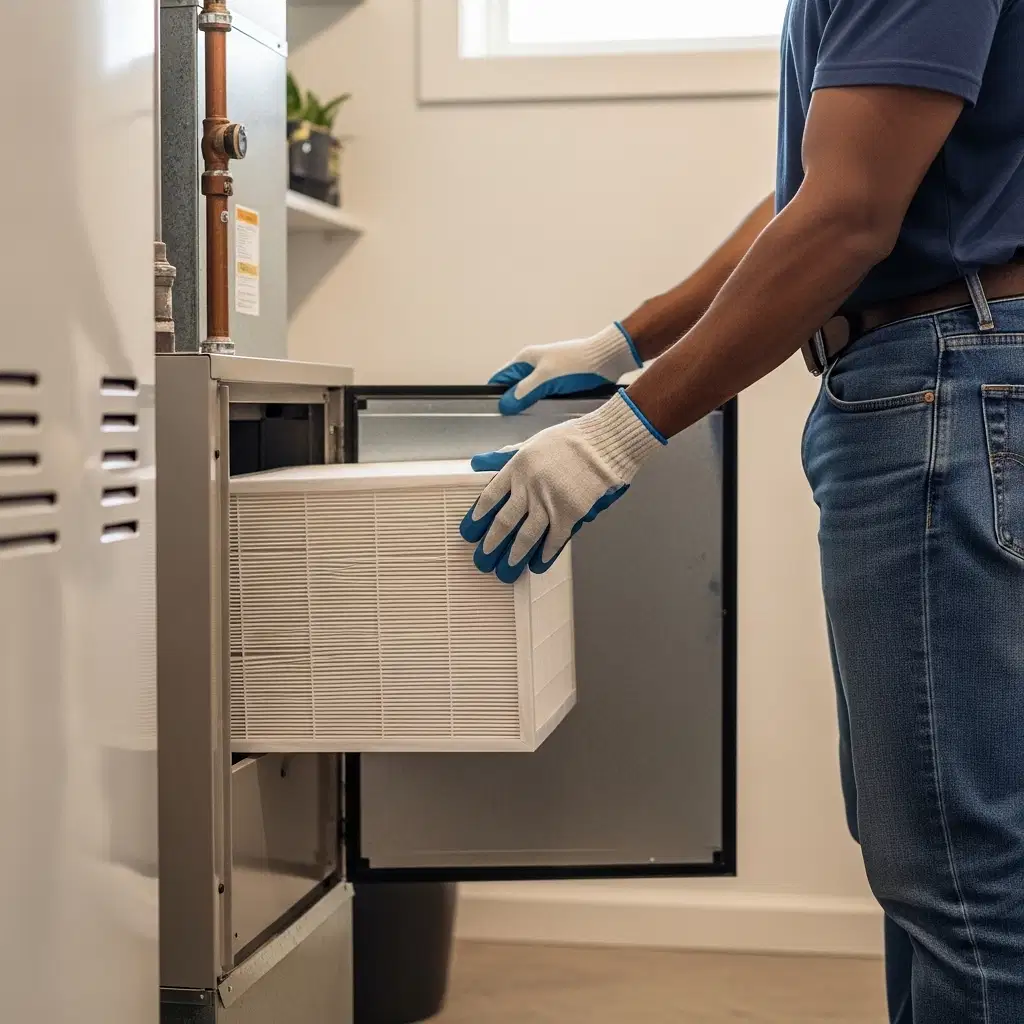
One of the most frequent culprits is a dirty or clogged air filter. Homeowners often ask how often they should replace their home's air filters, and the answer typically depends on whether you have pets or allergies, but a good rule of thumb is every one to three months. When an air filter becomes completely coated in dust and debris, it restricts airflow into the system. Your furnace contains safety mechanisms designed to prevent overheating. If the heat exchanger gets too hot because it cannot push the warm air out through the restricted filter, the safety switch will immediately shut the system down. Checking and replacing a dirty filter is a quick fix that often solves the problem entirely.
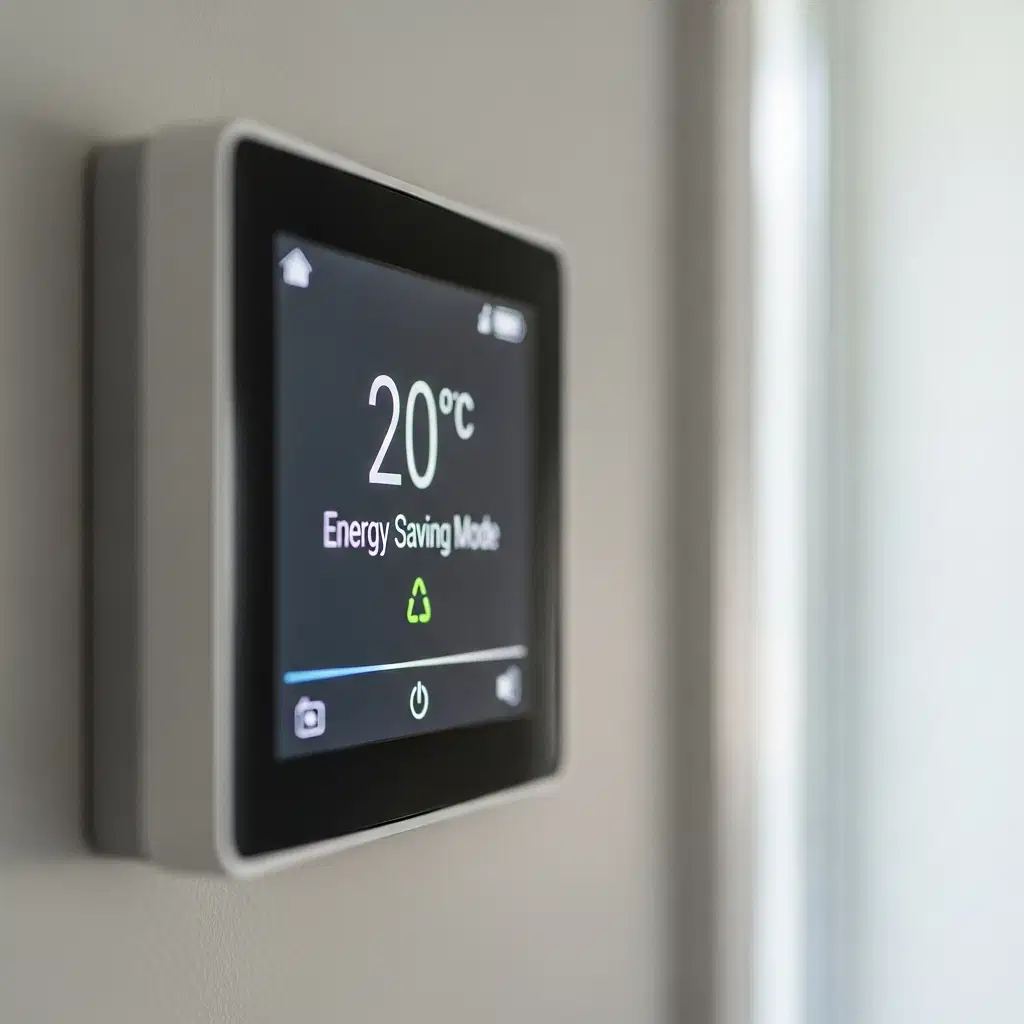
Another simple issue could be your thermostat. If your thermostat is malfunctioning, producing a false reading, or losing battery power, it may send incorrect signals to the control board. Additionally, if the thermostat is located near a heat source like a sunny window, an oven, or a space heater, it might think the house is much warmer than it actually is, causing it to turn the heat off prematurely. If you have replaced your filter and checked your thermostat settings but the issue persists, it might be time to look into professional heating system repair to ensure a more complex electrical issue isn't at play.
The Technical Stuff: Mechanical and Sizing Issues
If the basic troubleshooting steps do not resolve the short cycling, the problem likely lies within the mechanical components of the unit itself, or it could be an issue with the original installation.
A very common mechanical failure involves the flame sensor. This vital component detects whether a flame is actually present when the gas valve opens. If the sensor becomes coated with carbon buildup or dust over time, it will fail to register the flame. As a safety precaution to prevent unburned gas from filling your home, the system will shut down almost immediately after igniting. Cleaning or replacing a dirty flame sensor is a delicate task that requires precision, and it is usually a clear sign that you need professional furnace repair to get things running safely again.
Ventilation blockages can also cause rapid shut-offs. Modern high-efficiency systems vent exhaust directly outside through PVC pipes. If a heavy snowstorm hits, or if leaves, bird nests, or debris block that exhaust vent, the system's pressure switches will detect the blockage and shut the unit down to prevent dangerous carbon monoxide from backing up into your living space.
Finally, the issue might not be a broken part at all, but rather an improperly sized unit. Customers often ask what size HVAC unit their house actually needs. If your system was installed by a low-cost contractor who did not perform a proper load calculation, they may have installed an oversized unit. An oversized heater blasts the home with too much warm air too quickly, satisfying the thermostat in minutes, only to turn off and repeat the cycle shortly after. This constant starting and stopping destroys efficiency and wears out parts incredibly fast. Fixing an oversized unit often requires a complete HVAC system repair or a replacement with an appropriately sized, energy-efficient model.
Knowing When to Call the Professionals
While swapping out a dirty air filter or changing the batteries in your thermostat are great first steps, learning how to fix a short cycling furnace often involves navigating complex electrical components, gas valves, and delicate safety sensors. When dealing with natural gas or high-voltage electricity, safety must always come first.
We know that finding a reliable technician can be stressful, especially when extreme demand hits during our freezing winters and you need someone right away. It can be difficult to find contractors who offer transparent pricing and respect your home. At Icon Aire Heating & Cooling, we believe in taking the hassle out of home comfort. Our NATE-certified technicians are thoroughly trained to diagnose complex issues like faulty flame sensors, broken limit switches, and ventilation pressure problems without any guesswork.
If your heat keeps turning off and leaving you in the cold, don't wait for a complete system breakdown. Whether you are dealing with a minor sensor issue or need a comprehensive system evaluation anywhere in The Tri-State Area, our team provides the expert, prompt service you deserve with clear, upfront pricing. Reach out to Icon Aire Heating & Cooling today to schedule your service and restore dependable warmth to your home.