
Why Your AC Is Blowing Warm Air and How to Fix It
There are few things more frustrating than coming home on a sweltering summer day, turning on your air conditioning, and realizing your vents are pushing out hot air. When extreme temperatures hit Long Island City, a fully functional cooling system isn't just a luxury; it is a necessity for your comfort and safety. If you are wondering why is my ac blowing warm air, you are certainly not alone. This is one of the most frequent calls we receive during the peak cooling season.
Seasonal fluctuations put an immense amount of stress on cooling equipment. Systems that sit idle during the colder months are suddenly expected to run at maximum capacity when the summer humidity rolls in. This sudden shift often exposes underlying maintenance issues that went unnoticed during the milder spring weather. Understanding the common reasons home ac is not cooling can help you identify whether you are dealing with a simple fix you can handle yourself or a complex mechanical issue that requires professional intervention.
While some cooling problems stem from aging equipment, many are tied to simple airflow restrictions or electrical miscommunications. Taking a proactive approach to your cooling system not only restores your comfort but also prevents your energy bills from skyrocketing as your equipment struggles to maintain the desired temperature.
Start with the Basics: Thermostats and Air Filters
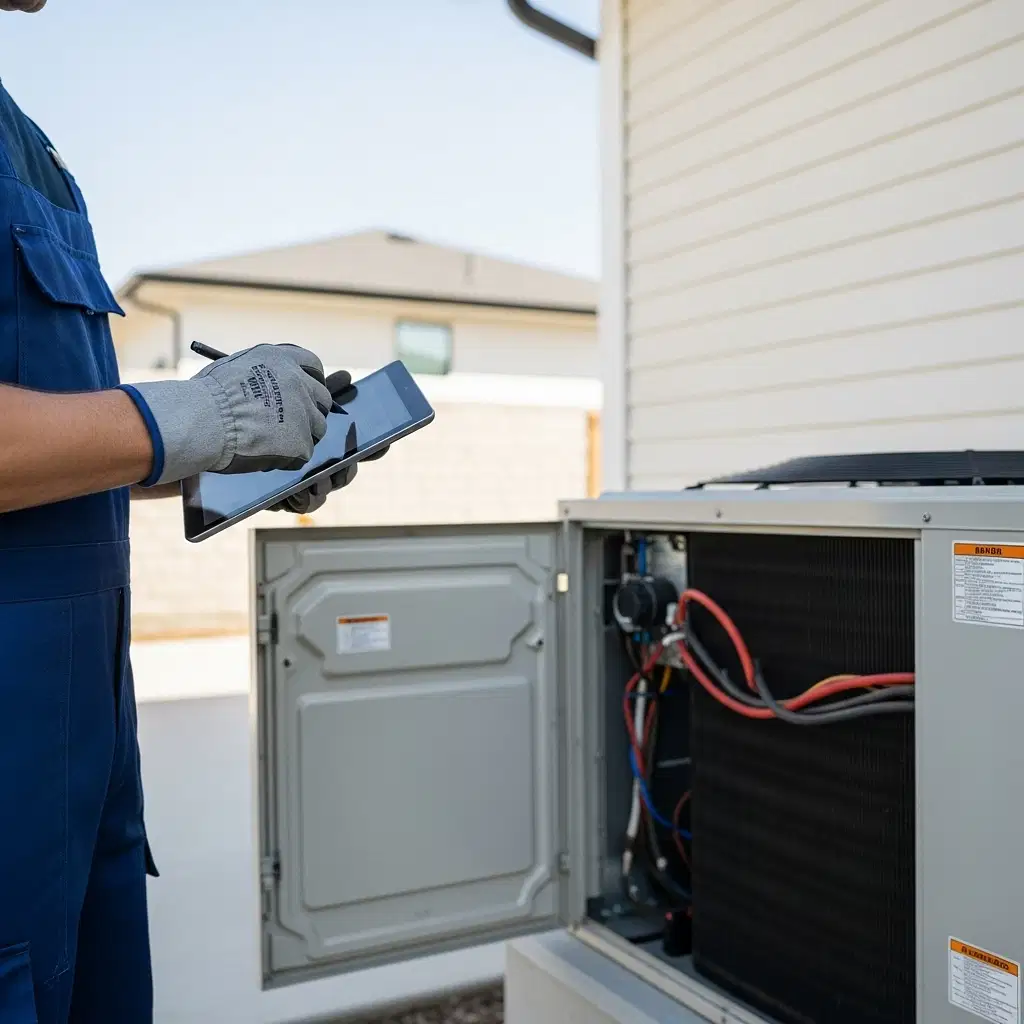
Before diving into complex diagnostics, it is always best to check the simplest potential culprits first. Surprisingly, a large number of service calls could be avoided with a quick check of the thermostat. Ensure that your thermostat is set to 'cool' rather than 'heat' or 'fan only'. If the fan setting is switched to 'on' instead of 'auto', the fan will run continuously even when the compressor isn't actively cooling the air, which can make it feel like the system is blowing warm air between cooling cycles.
Today's transition to IoT-enabled smart thermostats offers incredible convenience, but these advanced devices can occasionally lose connection with your main building management systems or require a software update. If the screen is blank or unresponsive, replacing the batteries or checking the circuit breaker is a smart first step.
If the thermostat is working correctly, the next step is checking your air filters. A clogged, dirty air filter severely restricts airflow over the evaporator coils. Without sufficient warm air moving over these coils, the temperature drops too low, causing the condensation on the coils to freeze into a block of solid ice. Once the coils freeze, the system can no longer remove heat from your home, resulting in warm air circulating through your vents. For urban residents dealing with elevated outdoor pollution and dust, changing these filters every 30 to 60 days is crucial for both system performance and maintaining high indoor air quality.
Central Air Conditioner Blowing Warm Air Troubleshooting
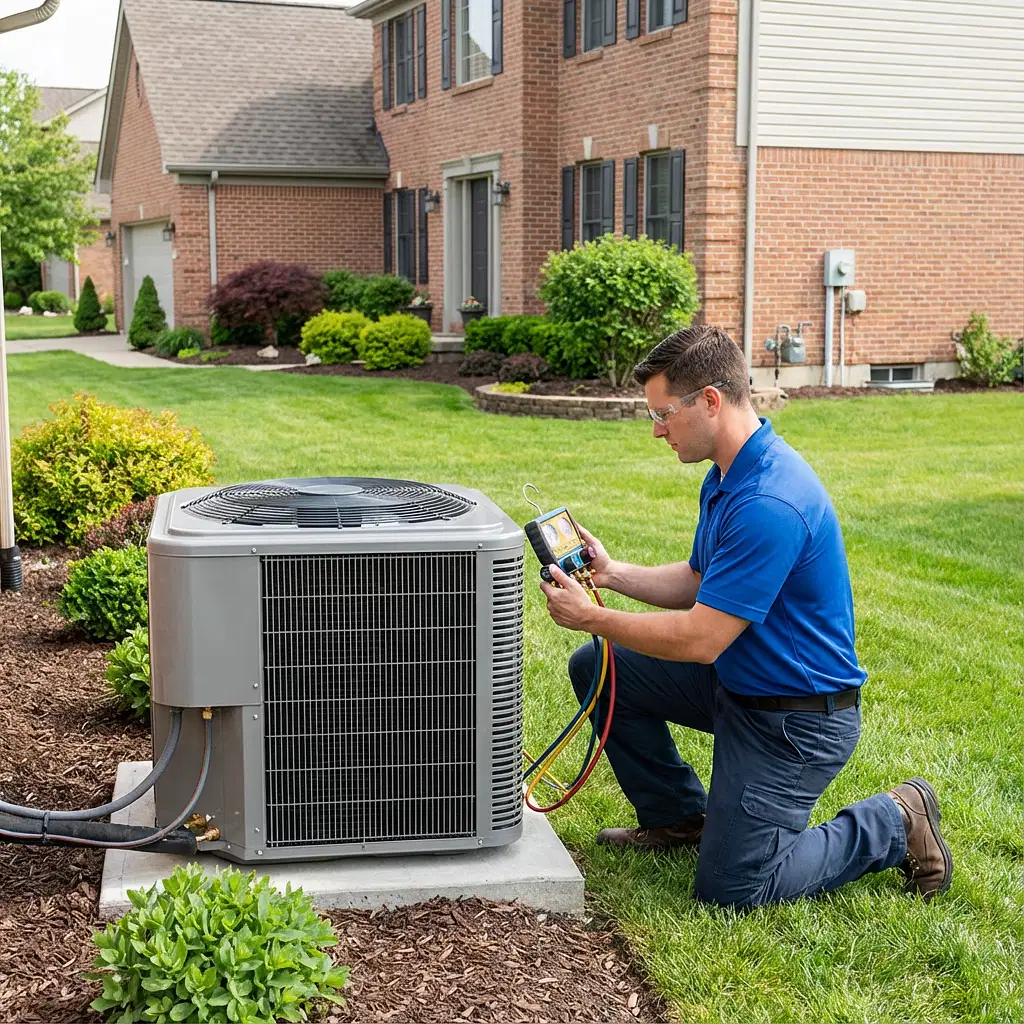
If the filters are clean and the thermostat is set correctly, you may be dealing with a more significant mechanical failure. When walking through central air conditioner blowing warm air troubleshooting, refrigerant leaks are a primary suspect. Refrigerant is the lifeblood of your cooling system; it absorbs heat from inside your home and releases it outside. If your system is low on refrigerant, it cannot effectively cool the air.
It is important to note that air conditioners do not consume refrigerant like a car consumes gas. If the levels are low, there is a leak somewhere in the line that must be located and sealed by a certified professional. With the ongoing transition to low-GWP (Global Warming Potential) refrigerants and strict EPA regulations, handling these chemicals requires specialized training and equipment. If you suspect a leak, it is time to schedule a professional central air repair to ensure the system is fixed safely and legally.
Another common mechanical issue lies within the outdoor condenser unit. The outdoor compressor is responsible for releasing the absorbed heat into the outside air. If the condenser coils are caked in dirt, leaves, or urban debris, the heat cannot escape, and the compressor may overheat and shut down to protect itself. In this scenario, your indoor fan will continue to run, but the air will be warm. Regular seasonal maintenance is the best way to keep these outdoor components clean and functional.
Navigating Unique Building Challenges
Living in densely populated urban areas comes with unique architectural characteristics. Many residents live in historic pre-war buildings or converted industrial spaces where traditional ductwork simply isn't an option. In these environments, ductless mini-splits and through-the-wall PTAC units are incredibly common.
When a ductless mini-split or PTAC unit starts blowing warm air, the troubleshooting process is slightly different. These self-contained units often suffer from clogged condensate drain lines or dirty internal blowers. Because they operate independently in separate rooms, a failure in one unit won't necessarily affect the others, but it still requires targeted HVAC system repair to resolve the underlying restriction.
Furthermore, property owners are increasingly focused on energy efficiency to comply with local regulations and reduce their monthly Con Ed bills. A system that is blowing warm air is working overtime, drawing excessive electricity without providing any cooling benefit. Upgrading outdated, inefficient systems to modern cold-climate heat pumps can provide both reliable summer cooling and winter heating while drastically reducing your carbon footprint.
When to Call the Professionals
While swapping an air filter or adjusting a thermostat are simple DIY tasks, opening up your cooling equipment to inspect electrical components or handle refrigerant should always be left to certified experts. High-voltage electricity and pressurized chemicals pose significant safety risks if handled improperly.
At Icon Aire Heating & Cooling, we understand that a broken air conditioner is a major disruption to your day. We know that navigating dense traffic and finding parking around areas like Court Square can be challenging, but our team is built to overcome these local logistics to reach you quickly. Our certified technicians are fully equipped to diagnose and resolve your cooling issues efficiently, with transparent pricing and no hidden fees.
If you have tried the basic troubleshooting steps and your system is still refusing to cool your home, do not wait for the peak summer heatwaves to take action. Reach out to Icon Aire Heating & Cooling today for professional AC repair and let us restore the comfort, efficiency, and peace of mind you deserve.